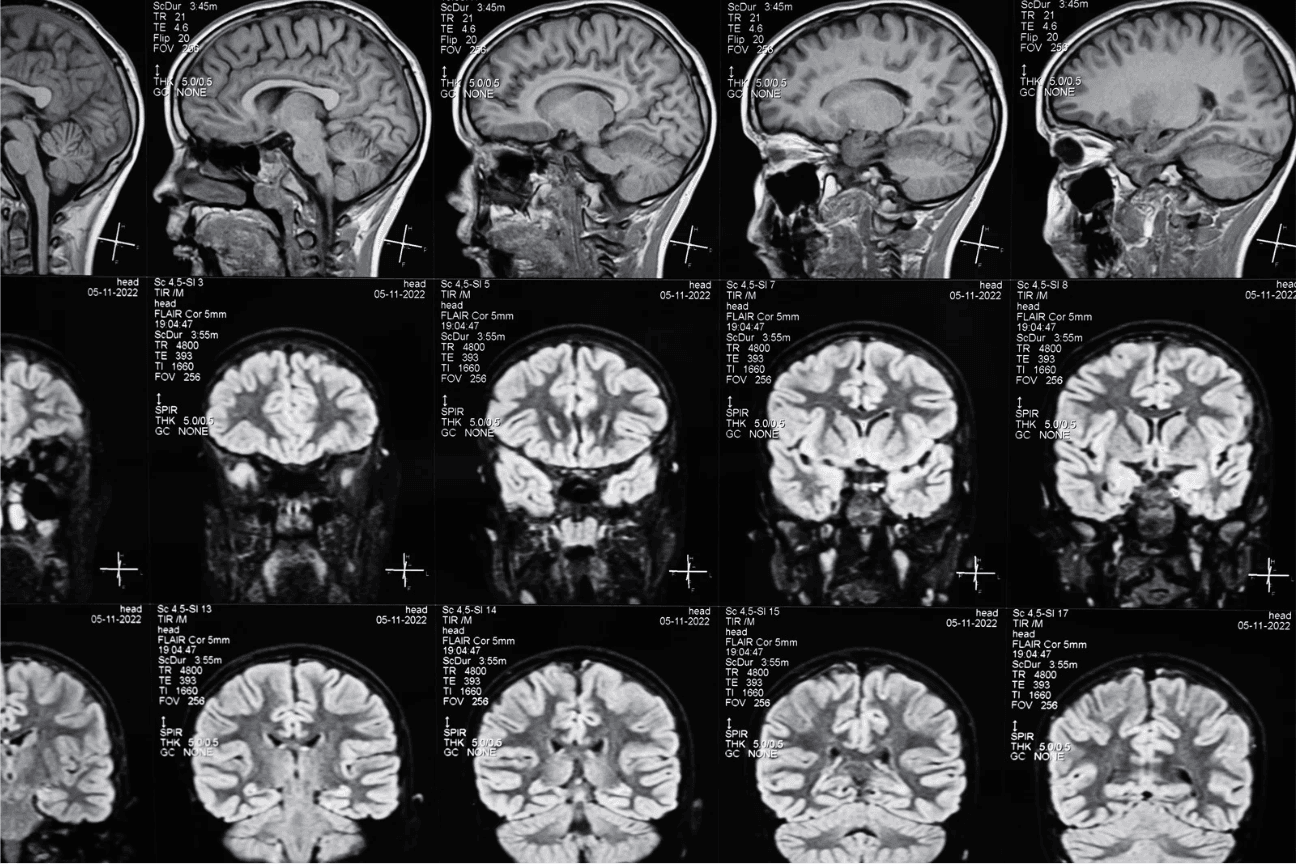
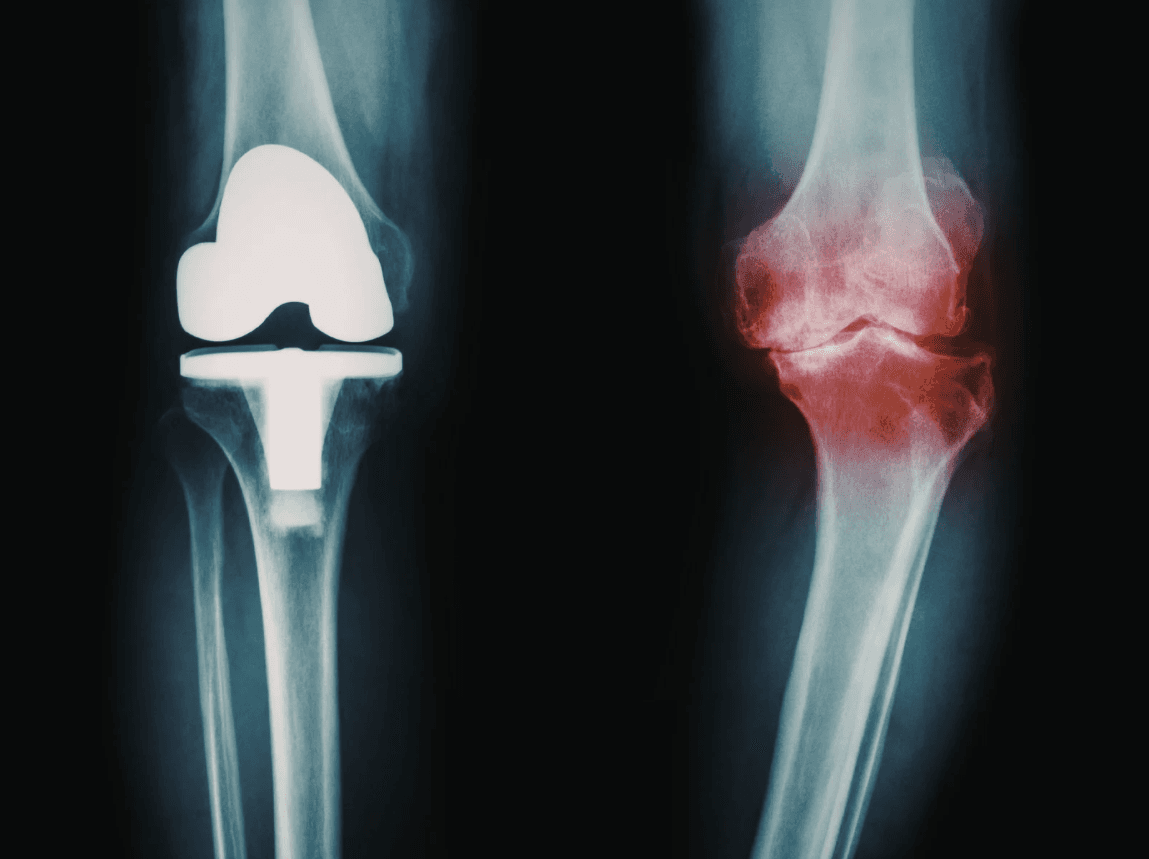
Shoulder and knee injuries are some of the most commonly undervalued car accident claims we see in Dallas. A big reason is that many people get an early X-ray, it looks normal, and the insurance company treats that as proof you must be fine. Then weeks later, the pain is still there, your range of motion is limited, and you find out you have a tear that takes real treatment.
If your shoulder or knee still hurts after a crash, do not let a normal X-ray be the end of the conversation.
Why X-rays can be normal when the injury is not
X-rays are excellent for fractures. They do not show many soft tissue structures well. Rotator cuff tears, labrum tears, meniscus tears, and ligament injuries may not appear on X-ray. That means you can have significant pain and limited function even when early imaging looks normal.
Common shoulder injuries after a wreck
Shoulder injuries can happen when you brace on the steering wheel, when the seat belt loads across the shoulder, or when your arm is forced in an awkward direction during impact. Common problems include rotator cuff tears, labral tears, and joint sprains.
People often notice pain with lifting, weakness, catching, reduced range of motion, or pain that wakes them up at night.
Common knee injuries after a wreck
Knees are vulnerable when they strike the dashboard or twist during impact. Meniscus injuries, ligament sprains, and cartilage issues are common. Symptoms can include swelling, instability, locking, pain with stairs, and pain with standing or walking.
When MRI and orthopedics may be appropriate
Not everyone needs an immediate MRI. But if symptoms persist despite conservative care, if your knee feels unstable, or if you have weakness and limited function in your shoulder, an orthopedic evaluation can be important. An MRI may help confirm the diagnosis and guide treatment.
From a claim standpoint, delays can also create arguments the insurer will try to use. If you are not improving, follow up and ask whether a referral is appropriate.
Why insurers tend to undervalue these injuries
Insurance companies often assume that no fracture means no serious injury. They may also claim the tear is degenerative, especially if there is a gap in treatment or if you waited a long time before seeing a specialist.
That is why the timeline matters. Your symptoms, your exam findings, your treatment, and any imaging should tell a consistent story.
How The Wooley Law Firm helps with shoulder and knee cases
We help clients build a clear record of what happened, what the injury is, and how it affects daily life. We gather medical records and imaging, document limitations, and push back when insurers try to label a serious tear as just soreness.
At The Wooley Law Firm, we offer free consultations, and you do not pay unless we win. Call (214) 699-6524.
Frequently asked questions
Can I have a tear if the X-ray is normal?
Yes. X-rays often miss soft tissue tears.
When should I ask about an MRI?
When pain persists, function is limited, or the exam suggests a tear or instability.
What if the insurer says it is degenerative?
A clear before-and-after timeline and consistent documentation can address that argument.
Do I need an orthopedic doctor?
Not always, but it can be important when symptoms do not improve.
This article is for general information only and is not legal advice. Every case is different.
Topics
Share This Article

Andrew J. Wooley
Personal Injury Attorney
Andrew J. Wooley is a dedicated personal injury attorney based in Dallas, Texas. He focuses on helping accident victims recover fair compensation for their injuries. With a commitment to personalized service, Andrew works directly with each client to understand their unique situation and fight for their rights.