After a car accident, it is normal to feel shaken up. You might be sore, tired, or just ready to get home. What many people do not expect is how often concussion symptoms show up later. It is common for clients to feel “okay” at the scene and then wake up the next day with headaches, dizziness, nausea, or brain fog.
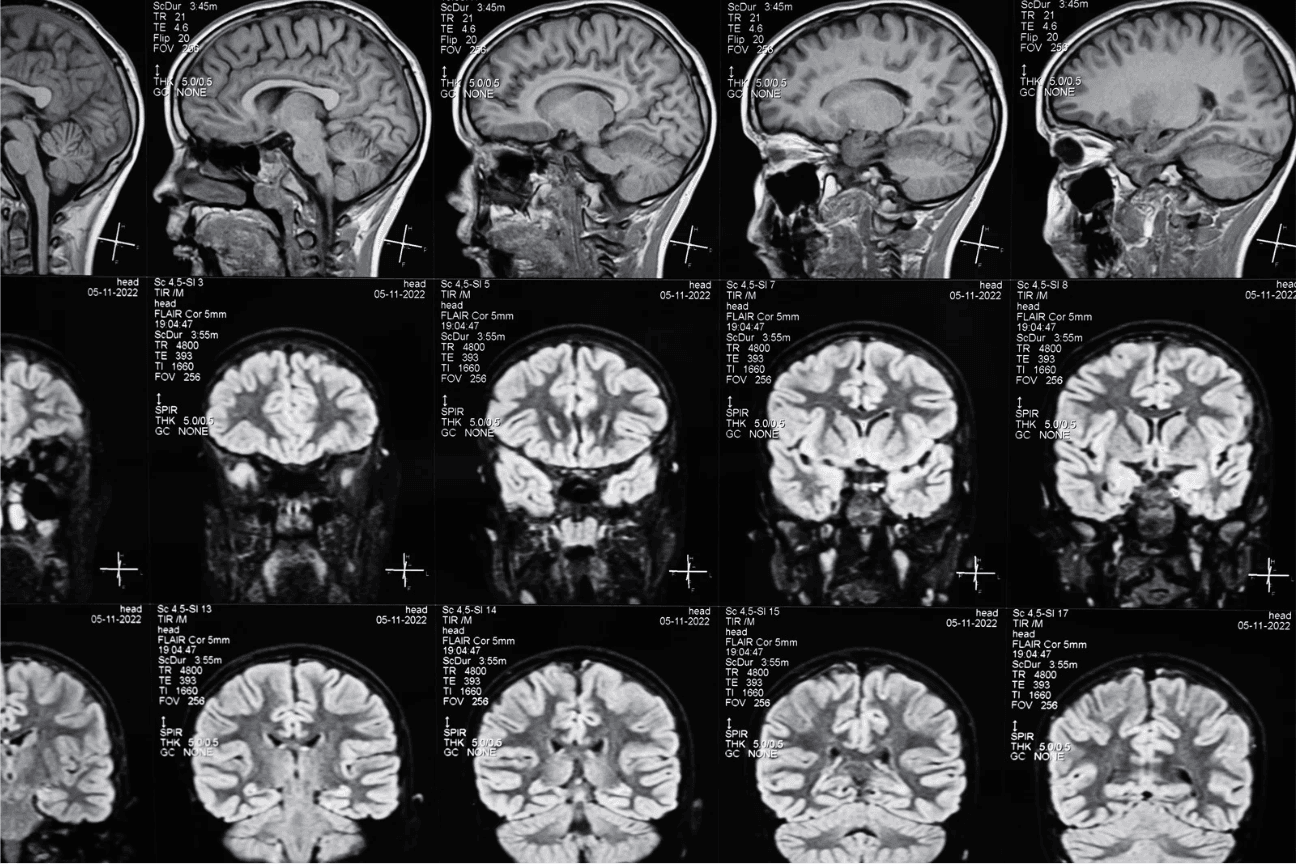
A concussion is a type of traumatic brain injury. It can affect your concentration, your sleep, your mood, and your ability to drive or work. It can also be harder to prove if you wait too long to get checked or if your early records do not reflect what you were actually feeling.
When concussion symptoms show up after a crash
A concussion does not always involve losing consciousness. Adrenaline can mask symptoms right after impact. Some people notice problems later that evening. Others do not connect the dots until they return to work, try to drive, or spend time in front of a screen and realize something feels off.
Delayed symptoms are still real symptoms. If you start feeling different after a crash, take it seriously and get evaluated.
Symptoms you should not ignore
Concussion symptoms can vary, but there are common patterns we see after car wrecks in Dallas and across Texas. Headaches, dizziness, nausea, light sensitivity, sound sensitivity, blurred vision, trouble concentrating, memory issues, sleep disruption, irritability, and mood changes are all possible. Some people describe it as brain fog. Others feel unsteady, more emotional than usual, or unusually tired.
If you have a severe headache, repeated vomiting, worsening confusion, weakness, slurred speech, or any loss of consciousness, seek emergency care right away.
Getting checked and getting it documented
If you think you might have a concussion, get evaluated as soon as you can. Tell the provider exactly what you are experiencing and when it started. Be specific. If the symptoms change over the next several days, follow up and make sure the new symptoms are recorded.
Many concussion cases also involve neck injuries, which can contribute to headaches and dizziness. Make sure both head and neck symptoms are discussed during the visit.
A simple daily note can help you communicate clearly with your doctor. Keep track of headaches, sleep quality, dizziness, and any changes in concentration or mood. The goal is accuracy, not exaggeration.
How insurance companies try to minimize brain injuries
Insurance companies often downplay concussions by pointing to gaps in care or by claiming there is no objective proof. They may also use an early statement like “I am fine” to argue you were not injured.
This is one reason timing matters. Early evaluation and consistent follow-up make it harder for an insurer to rewrite what happened. It also helps your doctor treat you appropriately.
How a Dallas brain injury lawyer can help
Concussion and post-concussion syndrome claims usually come down to a clear story: the crash, the onset of symptoms, the medical evaluation, and how those symptoms affected daily life. We help clients gather and organize the medical records, track the timeline, and push back when the insurer tries to dismiss a real injury as stress or a minor issue.
At The Wooley Law Firm, we offer free consultations, and you do not pay unless we win. Call (214) 699-6524.
Frequently asked questions
Can concussion symptoms start days after a car accident?
Yes. Delayed symptoms are common.
What if the emergency room said I was fine?
You can still have a concussion. Follow up if symptoms develop later and make sure the record reflects the timeline.
Should I give the other driver’s insurance a recorded statement?
Not before you understand your rights. Those statements are often used to limit claims.
How long does a concussion last?
It varies. Some people improve in days or weeks. Others need more time and treatment.
This article is for general information only and is not legal advice. Every case is different.
Topics
Share This Article

Andrew J. Wooley
Personal Injury Attorney
Andrew J. Wooley is a dedicated personal injury attorney based in Dallas, Texas. He focuses on helping accident victims recover fair compensation for their injuries. With a commitment to personalized service, Andrew works directly with each client to understand their unique situation and fight for their rights.