Self-driving cars are no longer just a futuristic concept. They’re already being tested and used on Texas roads, including in cities like Dallas and Austin. But when a driverless car causes an accident, many people are left wondering: Who is responsible?
The answer isn’t always straightforward. Liability in these cases can involve multiple parties, and understanding your rights is critical if you’ve been injured.
How Driverless Cars Work
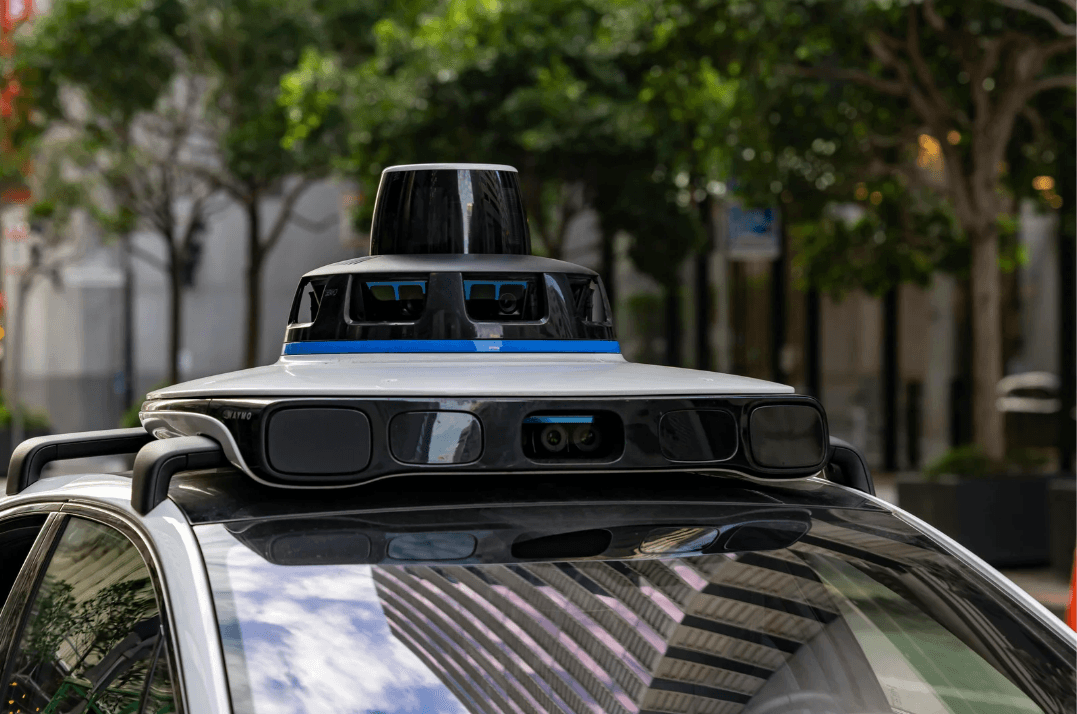
Driverless (or autonomous) vehicles rely on a combination of:
Sensors and cameras
Radar and GPS systems
Artificial intelligence software
Some vehicles are fully autonomous, while others still require a human driver to monitor and take control when needed.
This distinction matters because it directly affects who may be liable after a crash.
Who Can Be Held Liable After a Self-Driving Car Accident?
In Texas, liability depends on the specific facts of the crash. Unlike traditional car accidents, fault may extend beyond just the person behind the wheel.
1. The Human Driver (If One Is Present)
Many “driverless” cars still require a human operator. If that person:
Fails to take control when required
Is distracted or negligent
Misuses the autonomous system
They may still be held responsible under Texas negligence laws.
2. The Vehicle Manufacturer
If the accident was caused by a defect in the vehicle, the manufacturer may be liable. This can include:
Software glitches
Sensor failures
Defective braking or steering systems
These claims fall under product liability law, which allows injured victims to seek compensation for dangerous or defective products.
3. The Software Developer
Autonomous vehicles depend heavily on software. If the system:
Misinterprets road conditions
Fails to detect obstacles
Makes unsafe driving decisions
The company that designed or programmed the system may share liability.
4. The Vehicle Owner or Fleet Operator
In some cases, the car may be owned by a company (such as a rideshare or autonomous vehicle fleet). The owner may be responsible for:
Improper maintenance
Failure to update software
Allowing unsafe vehicles on the road
Unique Challenges in Driverless Car Accident Cases
These cases are more complex than typical car wreck claims. Some of the key challenges include:
Complex Evidence
Proving fault often requires:
Vehicle data logs
Software records
Black box information
Expert analysis
This evidence can disappear quickly if not preserved.
Multiple Insurance Policies
There may be several insurance policies involved, including:
Personal auto insurance
Commercial fleet coverage
Manufacturer liability policies
Evolving Laws
Texas allows autonomous vehicles on public roads, but the law is still developing. Courts are continuing to address how traditional liability rules apply to new technology.
What To Do After a Driverless Car Accident
If you’ve been involved in an accident with a self-driving vehicle in Texas:
Seek medical attention immediately
Call the police and file a report
Take photos of the scene and vehicles
Get witness information
Avoid giving recorded statements to insurance companies
Contact an experienced attorney as soon as possible
Early legal involvement can help preserve critical evidence and identify all responsible parties.
How The Wooley Law Firm helps
These cases often involve large corporations, complex technology, and aggressive insurance defense teams. An experienced attorney can:
Investigate the cause of the crash
Secure and analyze vehicle data
Work with experts in automotive technology
Identify all liable parties
Maximize your compensation
If you were injured in a driverless car crash, contact The Wooley Law Firm. Free consultation. You do not pay unless we win. Call (214) 699-6524.
Frequently Asked Questions
Are driverless cars legal in Texas?
Yes. Texas law allows autonomous vehicles to operate on public roads as long as they meet certain safety and insurance requirements.
Can I sue a company instead of a driver?
Yes. If a manufacturer, software developer, or fleet operator caused the accident, they can be held liable.
What if the car had no driver at all?
You may still have a valid claim against the company that owns, operates, or designed the vehicle and its systems.
Is it harder to win these cases?
They can be more complex, but with the right legal team and expert support, strong cases can absolutely be built.
Topics
Share This Article

Andrew J. Wooley
Personal Injury Attorney
Andrew J. Wooley is a dedicated personal injury attorney based in Dallas, Texas. He focuses on helping accident victims recover fair compensation for their injuries. With a commitment to personalized service, Andrew works directly with each client to understand their unique situation and fight for their rights.
Related Local News
Recent DFW accidents