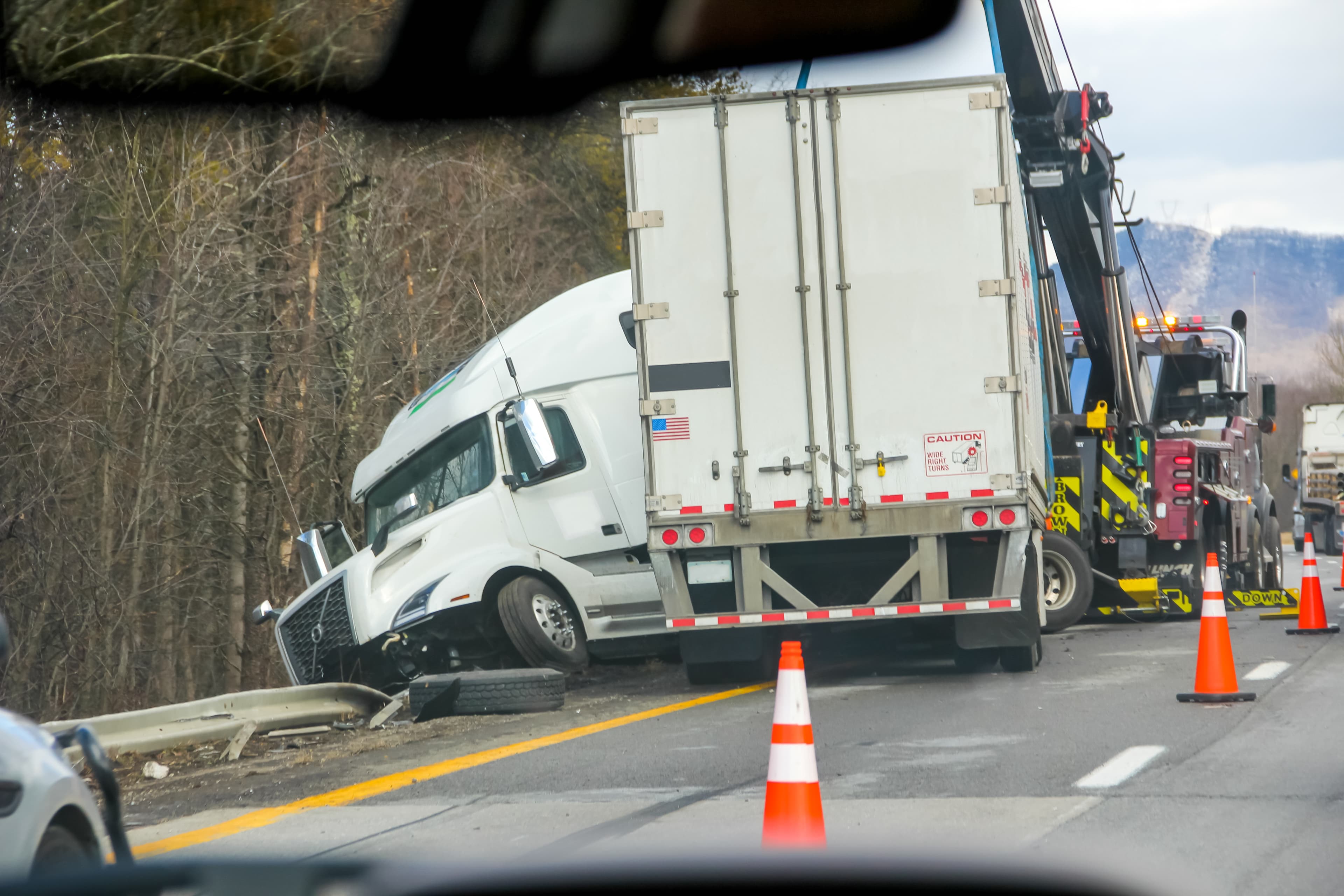
If you were hit by an 18-wheeler in Texas, your case is not just about a crash report and photos. Trucking cases are won and lost on evidence that the carrier controls, and some of it can be overwritten or “lost” surprisingly fast. That’s why the first step is usually evidence preservation, not negotiation.
The evidence clock starts immediately
Trucking companies often have response plans. They secure the truck, notify insurers, and start building their story right away. Meanwhile, key data sources like electronic logs, telematics, and camera clips can be overwritten if nobody acts quickly.
Driver logs and fatigue proof
Hours-of-service rules limit how long commercial drivers can be on duty and driving, and carriers must comply with federal regulations in 49 C.F.R. Part 395.
Electronic logs and records of duty status
Most carriers use electronic logging devices, which connect to the truck and automatically record driving time as part of hours-of-service compliance.
Supporting documents that verify the logs
Logs are only part of the story. Dispatch communications, trip sheets, fuel receipts, toll records, and delivery appointments often show whether the log story matches real life. Federal rules also require retention of records of duty status and supporting documents for a period of time, which makes early preservation critical.
Black box and telematics data
“Black box” is a broad term. In trucking, you may be dealing with multiple data sources: engine control module data, ELD data, GPS, and fleet telematics.
Engine and ECM data
Many ELD systems synchronize with the engine and track things like engine hours. FMCSA guidance discusses the ELD’s connection to engine data and how engine hour recording works.
Vehicle event data
Many vehicles record crash-related data such as speed and braking leading up to impact. Federal regulations address event data recorders generally and the retrievability of crash event data.
Company policies and safety systems
Trucking wrecks are often also supervision cases. The “why” can be a hiring issue, a training issue, a dispatch pressure issue, or a maintenance issue.
Driver qualification file and hiring history
Carriers must maintain a driver qualification file for each driver and include specific required materials under federal regulations.
Training, safety policies, and disciplinary history
Internal safety manuals, ride-alongs, coaching records, discipline, and prior incidents can matter, especially when the carrier’s practices encouraged unsafe driving.
Maintenance, inspections, and repair records
Brake condition, tires, lighting, and inspection history can become central issues in severe truck crashes, especially when the carrier’s documentation doesn’t match the truck’s condition.
Scene evidence and reconstruction
Independent proof still matters: 911 calls, witness statements, roadway photos, measurements, and any nearby surveillance video. In serious cases, reconstruction may rely on the combination of physical evidence and electronic data.
How The Wooley Law Firm helps
In trucking cases, we move quickly to preserve logs, telematics, and company records before they disappear, and we build the claim around objective evidence instead of assumptions. If you were hurt in a Dallas 18-wheeler wreck, contact The Wooley Law Firm for a free consultation. You do not pay unless we win. Call (214) 699-6524.
Frequently asked questions
How long do trucking companies keep ELD and log records?
Retention rules vary by record type, but many hours-of-service records and supporting documents must be retained for a limited period, so early preservation is important.
What is a driver qualification file?
It’s a required set of records carriers must maintain for each driver, including specific documents listed in federal regulations.
Can the trucking company delete black box data?
Data can be overwritten or lost through normal operation and repairs. That’s why preservation steps should happen immediately.
This article is for general information only and is not legal advice. Every case is different.
Topics
Share This Article

Andrew J. Wooley
Personal Injury Attorney
Andrew J. Wooley is a dedicated personal injury attorney based in Dallas, Texas. He focuses on helping accident victims recover fair compensation for their injuries. With a commitment to personalized service, Andrew works directly with each client to understand their unique situation and fight for their rights.